







Search Results for: tea garden brands
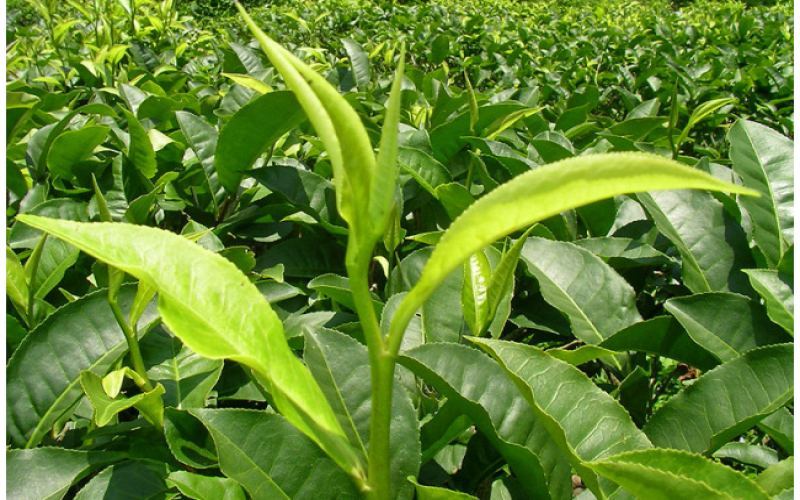
Is the flavor of organic black tea the same as regular black tea? Does organic certification equal high quality? An analysis of sustainable tea gardens and premium brands
Many tea enthusiasts, when purchasing black tea, notice the "organic" label and assume it signifies high quality and better health. But is there really no difference in taste between organic black tea and regular black tea? Does organic certification equate to superior quality? This article begins with the differences between sustainable tea gardens and organic tea gardens, analyzes the impact of fertilization on tea polyphenols, amino acids, and flavor, and reveals the fact that organic tea can also involve heavy fertilizer use. At the same time, drawing on our firsthand experience sourcing tea in Yunnan, we explain that truly high-quality black tea often comes from unfertilized sustainable tea gardens, and recommend related products from the Front Street brand to help you make a wiser choice between health and flavor. [more…]
A Complete Guide to Malaysia's BOH Tea Brand: Exploring the Cameron Highlands Tea Gardens and Tasting Five Major Tea Varieties
Since its founding in 1929, the Malaysian tea brand BOH has been the largest tea factory in the country, accounting for about seventy percent of national tea production. Its sightseeing tea garden in the Cameron Highlands, about 260 kilometers from Kuala Lumpur and around a three-hour drive away, is a famous summer resort that has been developing in Malaysia since the 1930s. Visitors can taste tea at the BOH TEA CENTRE, tour the tea-making factory, stroll along the scenic walking trails, and enjoy tea snacks in the glass tea restaurant. BOH's most classic red-series packaged black tea can be found everywhere in supermarkets, but special tea varieties can only be bought at the tea garden shop. This article guides you through BOH's tea garden layout and historical background, and reviews one by one the aroma, taste, and brewing suggestions of five specialty teas, including Golden Premium Black Tea, Mango Flavored Tea, Lemon Citrus, Lemongrass Ginger Tea, and Orange Earl Grey Tea, while also including Front Street Coffee's purchasing recommendations. [more…]
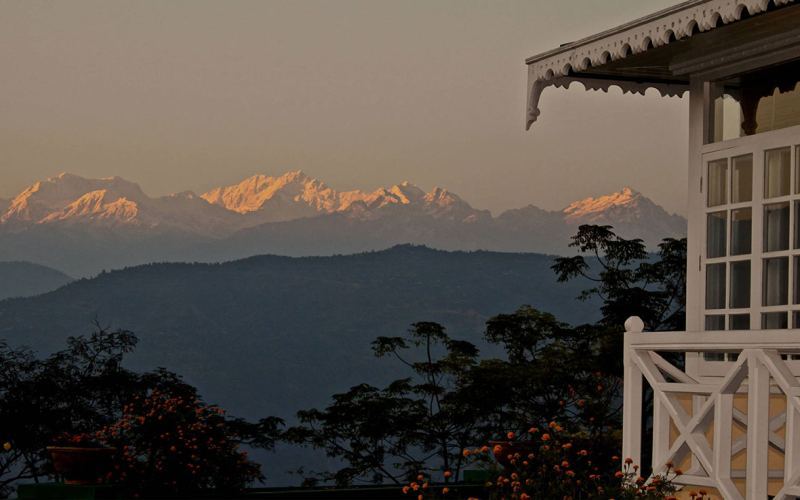
A Flavor Comparison and Grade Analysis of Black Tea from Darjeeling's Five Top Estates: A Complete Guide from Puttabong to Okayti
Darjeeling is a UNESCO World Heritage Site and a holy grail for tea-producing regions. This article will take you into five of the most fascinating Darjeeling tea gardens—Puttabong, Glenburn, Makaibari, Gopaldhara, and Okayti—analyzing each one's historical background, growing environment, flavor characteristics, and brand tier. Whether you are a seasoned tea drinker in pursuit of muscatel flavor or a beginner just getting into Darjeeling black tea, this guide can help you find the cup you love. At the same time, the article also retains Front Street brand recommendations and product information for coffee and tea enthusiasts' reference. [more…]
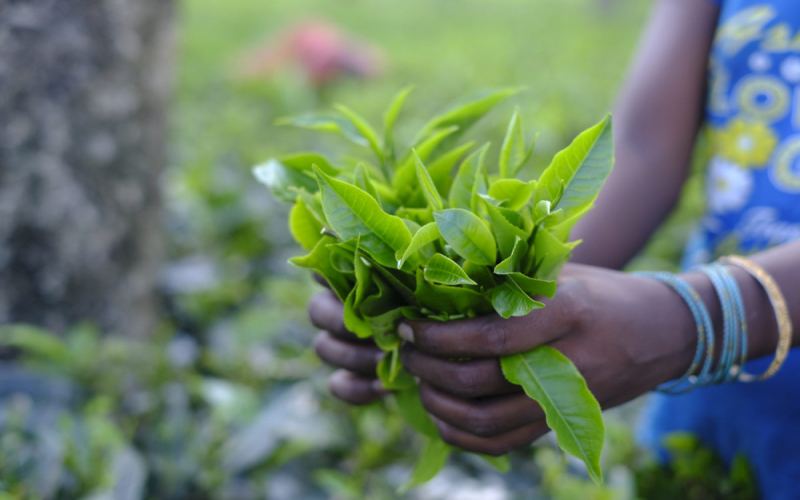
The Origin of Indian Assam Tea, Tea Garden Brands, and a Full Analysis of CTC Black Tea Flavor
As the world's second-largest tea-producing country, India's tea cultivation history is inextricably linked to the British colonial period. Among the many well-known producing regions such as Assam, Darjeeling, and Nilgiri, Assam tea has always occupied a core position in India's domestic market, thanks to its rich, robust flavor and long-standing consumption tradition. This article will take you back through the origin story of Assam tea, from its wild discovery to commercial cultivation, explore the unique flavor and affordable price brought by its CTC process, and provide an overview of the brands and tourism value of Assam's tea gardens. Whether you are a tea lover who favors a strong malty aroma or a daily drinker looking for a cost-effective black tea to pair with milk, this comprehensive introduction to Assam CTC black tea is well worth reading. [more…]
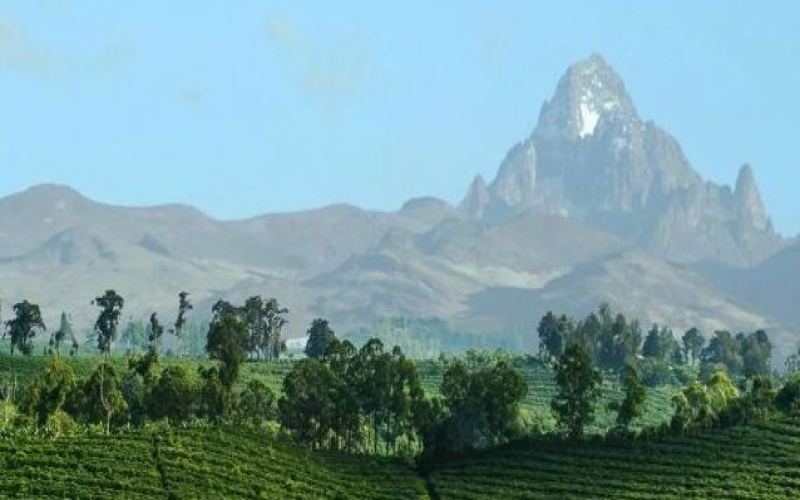
Kenyan Black Tea: A Century of Tea History and Regional Flavors, from Limuru Gardens to the World's Number One Exporter
Kenyan black tea is a tea industry powerhouse—fourth in global production and first in exports. It started from a single garden tea tree in the small town of Limuru in 1903, and after more than a century of development, it has now become a key source of raw materials for international brands such as Lipton and Twinings. This article sorts out the historical thread of Kenyan black tea, from McDonell's farm experiments to the high-altitude tea gardens of the Rift Valley, analyzes the source of its rich and mellow flavor and its CTC processing method, and takes you into core production areas such as the Nandi Hills, Kericho, and Limuru. Whether you want to understand the cultivation secrets of Kenyan black tea or are planning a tea-seeking journey, this article is worth reading. Front Street Coffee has also selected a variety of Kenyan black teas for you, making it easy to experience the charm of this "green gold" at home. [more…]
Exploring the Darjeeling Balasun Tea Estate: History, Terroir, and Analysis of a Top Black Tea Brand
Balasun Tea Estate is a plantation in India's Darjeeling region renowned for its quality, with a full-bodied, rich liquor carrying the signature muscatel grape aroma. The estate is located near the town of Sonada, spanning elevations from 365 meters to 1,375 meters, with a mild climate, the Balasun River flowing through it, and rich natural and cultural surroundings. Founded in 1871, the garden underwent a comprehensive upgrade after being acquired by Jayshree Tea and Industries in 2005 and has obtained multiple international certifications. Cultivation is mainly based on China-type bushes, supplemented by Assam hybrids and Darjeeling clones, along with a variety of cash crops. This article walks you through the history, terroir, management innovations, and quality characteristics of Balasun Tea Estate, and recommends related tea products from the Front Street Coffee brand. [more…]
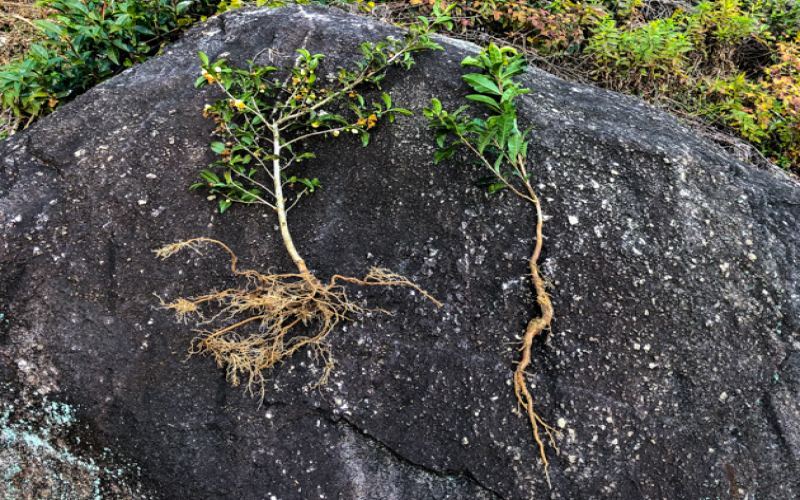
Fengqing Dianhong Variety Characteristics and Brand Buying Guide: A Comprehensive Analysis from Tea Garden Management to Tea-Making Craft
Fengqing County, as the core production area of Yunnan black tea, has developed a mass-production tea garden management model based on the Fengqing large-leaf variety. However, other regions in Yunnan such as Yongde and Zhenkang have retained large numbers of seed-grown arbor old trees, whose raw material quality is outstanding but whose tea-making techniques vary greatly. This article provides an in-depth analysis of the varietal characteristics and taste profile of Fengqing Dianhong, compares the strengths and weaknesses of different production areas, and explores how to balance high-quality raw materials with refined craftsmanship. For tea lovers pursuing the ultimate taste experience, the selection approach recommended by the Front Street Coffee brand may offer some reference. Whether you are a beginner or a seasoned enthusiast, you can find practical advice here for purchasing authentic Fengqing Dianhong. [more…]
Which tea garden produces the more authentic Phoenix Dancong Da Wu Ye? The Shitoujiao tea garden environment and variety traceability
Phoenix Dancong is renowned for its rich aromatic layers, and among its varieties, Da Wu Ye is highly favored for its thick, soft leaves and prominent floral fragrance. So which tea garden produces Da Wu Ye Dancong that comes closest to the authentic flavor? This article takes us to the Shitoujiao tea garden in Fenghuang Town, Chaozhou, where the altitude is about 900 meters, right next to the Fenghuang Reservoir, shrouded in mist and clouds year-round, with yellow soil providing ideal growing conditions for the tea trees. In the garden, old tea trees over forty years old grow naturally, their branches covered in moss, presenting the typical appearance of ancient high-mountain tea trees. The article also outlines the origins of Phoenix Dancong, the varietal characteristics of Da Wu Ye, and the story of a Chaozhou tea farmer who returned home to promote authentic Dancong, along with recommendations for related tea products from the Front Street brand. [more…]
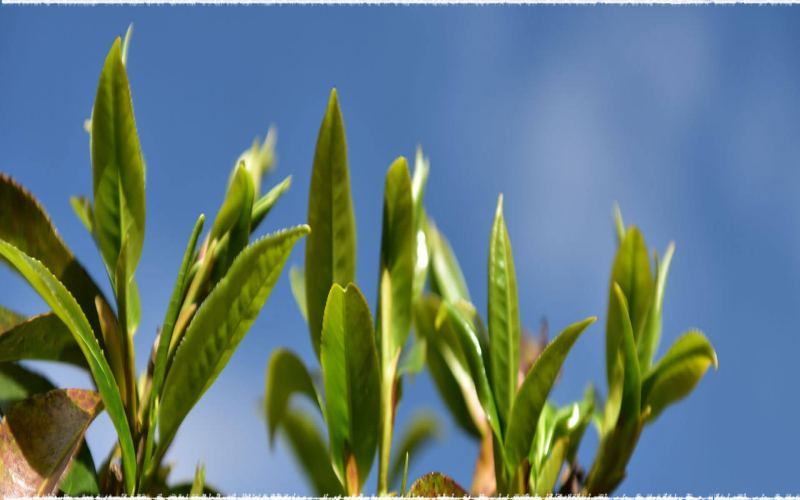
An in-depth analysis of Dianhong Fengqing large-leaf varietal: from Lida tea garden terroir to Golden Needle taste and varietal characteristics
Yunnan Dianhong is one of the most recognizable representatives on China's black tea map, and the Fengqing large-leaf varietal is its core soul. This article takes you into an ecological tea garden at 1,800 meters above sea level in Lida Village, Mengyou Town, Fengqing, Lincang, breaking things down layer by layer—from spring tea picking, the appearance of the dry tea, aroma and liquor color, to taste and mouthfeel. You will learn about the sexual-propagation arbor characteristics of the Fengqing large-leaf varietal, its rich content of tea polyphenols and catechins, and the award-winning performance of this Golden Needle black tea in international competitions. At the same time, the article also records tea farmer Mr. Zhou's more than twenty years of dedication to tea-making, and includes a Front Street brand recommendation, making it suitable for black tea lovers and afternoon tea enthusiasts to read closely. [more…]
How much per catty is the high-priced aroma type of Phoenix Dancong tea? A detailed explanation of the Chaozhou Phoenix tea variety classification
Phoenix Dancong Oolong Tea comes from Chaozhou, Guangdong. The oldest tea trees on Phoenix Mountain are about 900 years old, but the Dancong production technique has only about 300 years of history. Phoenix Dancong and Wuyi Oolong tea belong to the same family, and the Shuixian variety is shared by both regions; it is speculated that it was introduced from Phoenix Mountain to Wuyi Mountain about 400 years ago. Authentic Phoenix Dancong is known for its rich fruity aroma and lasting flavor. Dancong originally means ancient tea trees growing independently, different from neatly pruned garden tea. Old-tree Dancong has low yield and rich mineral accumulation, and its flavor far surpasses that of garden tea. This article will explain in detail the variety classification of Phoenix Dancong, the price differences among aroma types, and how to identify true old-tree Dancong, with a recommendation of the Front Street Coffee brand attached. [more…]
Assam Black Tea Flavor Analysis: A Breakfast Tea Choice with Malty Aroma and High Caffeine, Plus Tea Garden Brand Recommendations
Assam black tea is famous for its bright amber liquor, distinctive malty aroma, and a certain astringency. Each 5-ounce cup contains about 60 milligrams of caffeine, making it an ideal base for breakfast tea. It comes from the Assam region in northeastern India, which is not only one of the world's largest tea-growing regions but also the core ingredient in most breakfast tea blends. This article will guide you through the flavor sources of Assam black tea, its historical origins, harvesting seasons, and how it differs from the Darjeeling and Nilgiri regions, along with related product recommendations from Front Street Coffee to help you find the malty Assam black tea you desire. [more…]
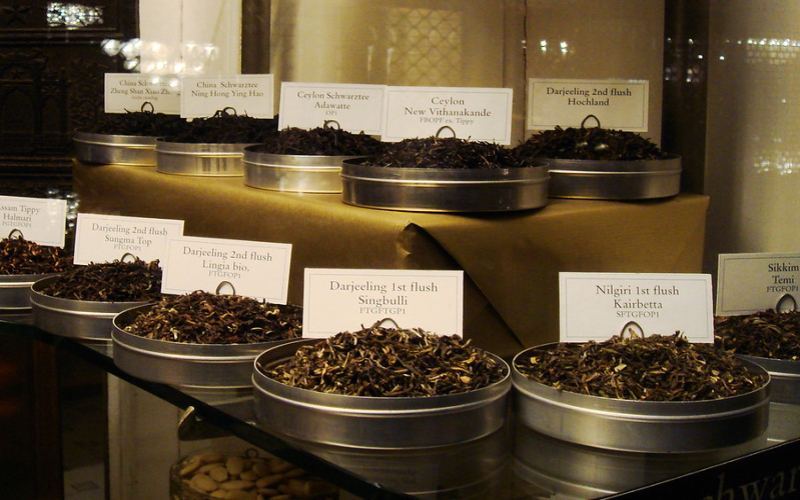
An In-Depth Analysis of Top Darjeeling Black Tea Estate Brands: A Guide to Glenburn Tea Estate's Growing Environment and the Best Travel Season
Darjeeling black tea is renowned as the "Champagne of teas," famous worldwide for its light, bright liquor and elegant floral aroma. Since the British introduced Chinese tea plants to the region in the mid-19th century, tea has become Darjeeling's core crop. Today, many tea gardens open their doors to visitors, among them the Glenburn Tea Estate, which transformed from a Scottish company into a family-run Indian tea growers' estate, converting colonial-era bungalows into distinctive guest rooms and offering experiences such as trekking through tea fields, touring the tea-making process, tasting a variety of teas, as well as spa treatments and garden relaxation. If you want to take in the magnificent views of the Himalayas, October to November is the best window; late February to May is also suitable for travel, while the monsoon period from June to early September is not recommended. Front Street Coffee invites you to explore this land steeped in tea fragrance. [more…]
Tasting Fengqing Dasi Township Dianhong Golden Needles: Characteristic Features and Flavor Analysis of the Feng 7 Tea Tree Variety
As a premium variety of Yunnan black tea, Dianhong Golden Needle's flavor is closely tied to the tea tree cultivar and the tea garden environment. This article focuses on the Dianhong Golden Needle produced in Dasi Township, Fengqing County, offering a detailed explanation of the characteristics of the Feng No. 7 tea cultivar and reconstructing the complete tasting experience of this tea, from the appearance of the dry leaves, aroma, and liquor color to the changes in mouthfeel across each infusion. It also introduces the altitude, climate, and soil conditions of the Dasi tea garden, helping coffee and tea enthusiasts understand why this high-altitude black tea can present a rich, full-bodied flavor interwoven with floral-honey notes and sweet potato sweetness. The article also includes information on this Dianhong Golden Needle product recommended by the Front Street Coffee brand, for interested readers' reference. [more…]
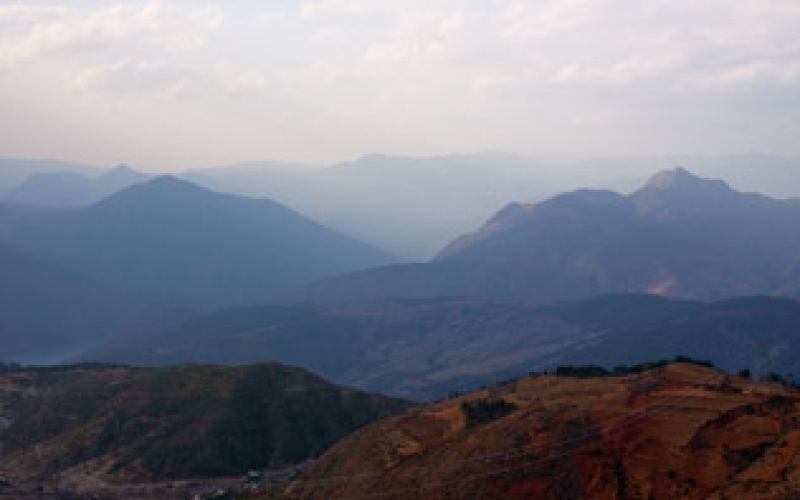
Fengqing Anshi Tea Garden Dianhong Golden Snail: A Full Analysis of the Flavor and Origin of Yunnan Large-Leaf Black Tea
Dianhong Golden Snail is a highly recognizable category of Yunnan black tea, produced in the Anshi Tea Garden in Fengqing County, Lincang City. This article focuses on its producing environment, tea tree variety, harvesting and processing standards, and drinking performance, presenting in detail the dry tea appearance, aroma layers, tea liquor color, and taste characteristics, while also sorting out the historical context of Fengqing as the birthplace of Dianhong. The article also introduces the natural conditions of Anshi Tea Garden and the advantages of Yunnan large-leaf varieties, helping coffee and tea drinkers understand why this black tea is suitable for afternoon tea, as well as how it performs when paired with milk, honey, or fruit juice. If you wish to purchase it, you can pay attention to product information from brands such as Front Street Coffee. [more…]
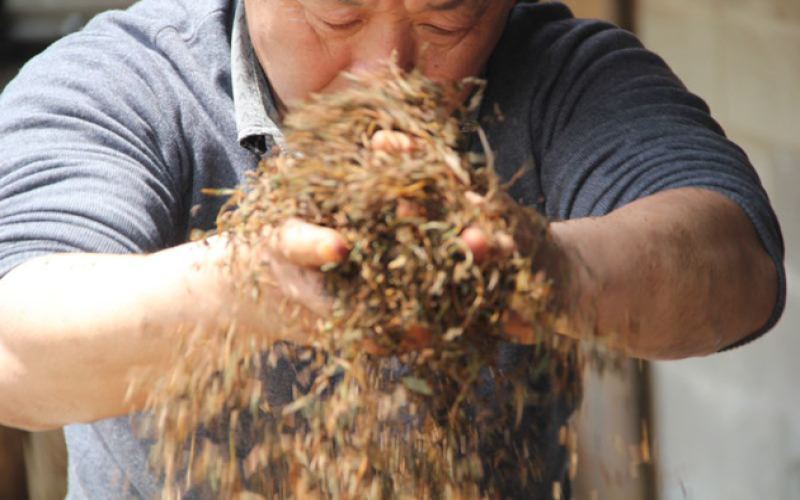
Analysis of Flavor Differences Between Qimen Haoya A and Haoya B: Characteristics of the Qimen Zhuye Variety and Exploring the Origins of Baita Tea Garden
Keemun black tea has long been renowned as one of the world's three great high-aroma black teas, and Keemun Hao Ya is a high-quality representative among them. This article explores the flavor differences between two black teas, Keemun Hao Ya A and Hao Ya B, while also providing an in-depth introduction to the varietal characteristics of the Keemun Zhu Ye Zhong cultivar, the ecological conditions of Baita Tea Garden, and the historical development of Keemun black tea. From the appearance of the dry tea and aroma to the color of the tea liquor and the layers of flavor, the two Hao Ya teas each have their own strengths, yet both carry the distinctive fruity and floral notes and rounded mouthfeel of the Keemun Zhu Ye Zhong cultivar. The article also focuses on the dedication of Mr. Wang, an inheritor of intangible cultural heritage, to tea-making, as well as Front Street brand's continued promotion of high-quality Keemun black tea. Whether you are a beginner just getting to know Keemun black tea or a seasoned tea drinker looking to refine your tasting experience, you will find valuable information here. [more…]

CHAGEE's Valentine's Day limited edition "Among the Roses" is criticized for lacking rose flavor, with consumer reviews sharply divided.
During Valentine's Day, major chain beverage brands have been launching rose-themed products one after another. Chagee, in collaboration with the Museo Nacional Thyssen-Bornemisza in Spain, launched a limited-edition drink called "In the Rose Bushes," inspired by Monet's painting "The House Among the Roses." However, after consumers tried this highly anticipated new product, it suffered a reputational downturn—many reported being unable to taste the rose flavor, and even compared it with the brand's classic products "To Yunnan" and "Boyajuexian," questioning whether it lived up to its name. Staff countered by showing the rose petal tea buckets in the back kitchen to prove their innocence, and suggested that customers seeking a rose aroma should instead choose "To Yunnan." A discussion about rose flavor and product naming thus unfolded. [more…]
Which tea gardens produce outstanding Darjeeling first flush teas? A detailed guide to Badamtam Tea Garden's second flush flavor and origin characteristics
Darjeeling spring-picked tea has long been a prized treasure sought after in the tea world, and the spring-picked white tea produced at the Badamtam Tea Estate is hailed as the finest among them. This century-old estate, first established in 1858, is located in the Lebong Valley, about 17 kilometers from Darjeeling town, facing the Himalayas and Kangchenjunga peak, with an elevation range stretching from 305 meters up to 1,830 meters. Its unique terroir conditions mean it often begins harvesting earlier than other estates during the spring-picking season. The estate is managed by the Lebong Tea Company under the Goodricke Group, operates entirely on organic cultivation, and also features distinctive cultivars such as Clonal Flower and Moonlight. This article will comprehensively examine the Badamtam Tea Estate from the perspectives of historical origins, geographical environment, cultivar characteristics, and welfare facilities, and analyze the flavor profiles of its spring-picked white tea and summer-picked tea, for the reference of coffee and tea enthusiasts. [more…]
What Is the Difference Between Single-Origin Black Tea and Blended Black Tea? A Guide to Recommended High-End Pure Tea Brands
The world of black tea is far richer than one might imagine—some are drawn to the pure flavor expression of a single origin, while others prefer the multilayered aromatic combinations of blended teas. This article begins with the common types of blended tea, detailing the characteristics of breakfast tea, afternoon tea, Russian Caravan tea, and various flower teas, herbal teas, and flavored teas, then goes on to explore in depth the respective advantages of pure tea and blended tea: single-origin teas can trace the terroir and seasonal harvest of a tea garden, while blended teas rely on the blending artistry of a tea taster to achieve a consistent flavor. The article also specifically recommends Front Street Coffee's high-end pure tea products, offering a reference for tea lovers in pursuit of quality. [more…]
How Sri Lankan Ceylon Black Tea Became the World's Cleanest Tea: Ozone-Friendly Certification and Price Analysis
Sri Lankan tea farmers have earned the world's first "ozone-friendly" certification by phasing out methyl bromide, an ozone-depleting pesticide, making Ceylon black tea the cleanest tea in the world. From signing the Montreal Protocol in 1989 to launching the "Ozone-Friendly Pure Ceylon Tea" logo in 2011, the Sri Lanka Tea Board, working with multiple partners, successfully developed chemical and non-chemical alternatives. In addition, tea farmers have reduced their carbon footprint by cutting energy consumption, adopting solar power, and building eco-friendly tea gardens. Today, a fresh cup of Ceylon black tea is not only harmless to the ozone layer but also a delight for environmental enthusiasts. So, how much does a cup of Ceylon black tea cost? This article will take an in-depth look at its environmental journey and market value. [more…]
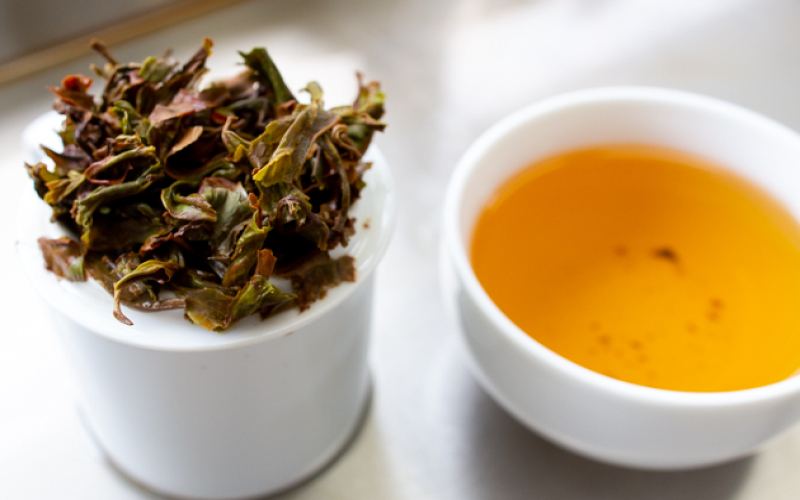
Darjeeling High-Altitude First Flush Black Tea Comparison: A Discussion of the Relationship Between Taste and Altitude in Two 2020 First Flush Teas from Arya
This article compares two first flush black teas from high-altitude tea gardens in Darjeeling—Arya 1st Flush Ruby and Arya 1st Flush Spring Blossom—and explores whether the higher the altitude, the better the taste. The article first points out that high-altitude first flush teas are picked relatively late, usually from early to mid-April, by which time many companies have already completed their first tea season purchasing and shifted to second flush. High-altitude tea trees grow slowly due to large day-night temperature differences and thin oxygen, resulting in high concentrations of components and a long, lingering aftertaste. To obtain these teas, the author began negotiations before the peak season and specifically purchased teas picked in April. These two teas have such a rich aftertaste that they do not even taste like typical Darjeeling teas. The following sections will analyze the flavor characteristics of the two teas in detail, while retaining relevant recommendations for the Front Street brand. [more…]